Why I Specialize in Returning Adult Pianists
Bomi Tunstall
5/10/20264 min read
Why I Specialize in Returning Adult Pianists
Oh, how I miss the times I used to practice four or five hours a day. Even through the most intense seasons of my life — full-time school, nearly full-time work, giving birth and raising an infant — daily piano practice was an absolute escape from worldly reality into my oasis. Through music, I could just be myself and absolutely enjoy the wealth of emotions and imagination available to me. That's what music does for me. It returns me to the original make-up of who I am, the self that gets compromised and polluted by the world's shortcomings and expectations. At the piano, I'm just me — and to God, that was always perfect.
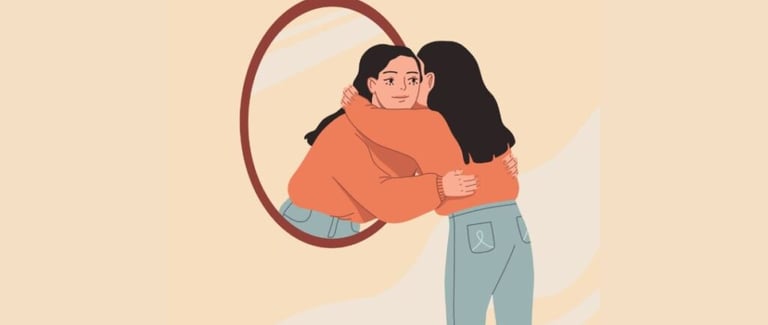
This is what I see happen for my adult students, too. They come back to their original selves from an "altered" state created by years of responsibility and expectation. Piano isn't the thing that brings them into peace and energy — it's the synchronization of body and emotion that piano playing reveals. The instrument is the doorway, but what walks through is them.
Piano playing requires all of you. Your body won't move genuinely if you don't feel. Your emotional state — hope, despair, happiness, disappointment, peace, suffering — delivered through your body from the ends of your fingers to the ends of your toes (yes, the pedal counts). Our bodies never lie. Our bodies remember and store all of our emotions, which is so powerful. It works in both directions: good for our happy memories, harder for our traumatic ones, because every sense is involved — scent, sound, touch. When you sit down to play, all of that comes with you.
This is why I love working with adults, and why I specialize in returning students specifically. I love watching the transformation: they often arrive at the piano frazzled or weighed down, and leave an hour later refreshed and grounded. That hour is theirs — a space to honor who they are. No phone calls. No managing anyone else. Just you, working on you, with the full range of tone available — from your deepest hope to your most complex shades of difficult feeling. The hour where unbalanced emotions become more balanced. Where your darker thoughts are heard. Where your dreams are realized.
Daily practice is like that on a smaller scale. Every forty-five minutes you spend at the piano, you're practicing technique so that your creativity becomes limitless. Your creativity toward beauty, toward celebration of who you are, toward expressing so many quiet details about yourself that don't get expressed anywhere else. Reserving forty-five minutes — or an hour, or even just fifteen minutes — to nurture yourself is a form of self-honor.
Why returning adults, specifically?
Returning adult students are unlike any other group I teach. They've been away. They had something at the piano once — maybe years ago, maybe decades ago — and life took them somewhere else. Careers, marriages, children, moves, losses. And then, often without quite knowing why, they find themselves drawn back. They sit down at a piano they bought during the pandemic, or they pass a music school sign and feel something stir, or a piece comes on the radio and they remember.
What they need from a teacher is different from what a child or a brand-new beginner needs. Returning adults often arrive carrying a particular kind of grief — for the player they used to be, for the years they didn't keep playing, for the technique they feel they've lost. They also arrive carrying gifts: musical memory, listening skills built over a lifetime, emotional depth that no twelve-year-old can match. The work is partly about rebuilding skills, and partly about helping them trust that what they bring as adults is genuinely valuable, even when it doesn't look the way it used to.
I've spent much of my own life as both a performer and a teacher, and I've come to believe that the returning adult is one of the most rewarding students any teacher can work with. There's a depth and intentionality in their practice that's rare. They show up because they want to be there.
What my background brings to your lessons
My musical experience and training do make a difference in how I serve my students. The depth of study, the range of repertoire from peculiar to masterful, the years of concertizing — all of it helps me see the simplest and most effective path to the outcome you want.
That's how I think about my doctorate from Peabody. About the thousands of performances and competitions. About the years of working with master composers and inhabiting their musical worlds. None of it was just academic. All of it was about feeling what it means to be human, to be the one-and-only me. And every student I work with benefits from the depth of that experience, even when we're working on something simple — because what looks simple to a beginner often has more layers than they realize, and I can help you see them.
Every student I meet matters
Whenever I begin working with a student, I don't think it's accidental. There's a reason I get to be part of someone's musical journey. I'm there to do something good for them, and I'm proud to be a part of it. Whether you're coming for a weekly lesson, signing up for a small online repertoire class, or purchasing a topic package to work through on your own, all of my students are important to me.
My home studio is in Uptown Charlotte (we call downtown "Uptown" here), and I also live in Zoom — so wherever you are, there's a way to study together. Browse my offerings, and if you have any questions, just reach out.
You are amazing. Have an amazing day.
© 2026 Bomi Tunstall, DMA, NCTM